
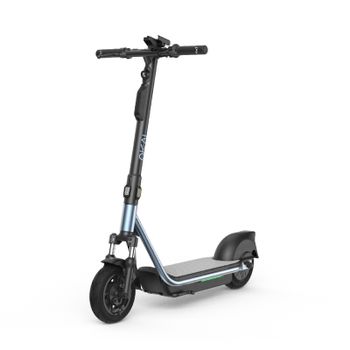

¿Cómo puedo hacer que mi bicicleta eléctrica sea impermeable?
Las bicicletas eléctricas se han convertido en un medio de transporte popular, combinando las ventajas del ciclismo con la asistencia eléctrica. Sin embargo, una preocupación común entre los usuarios de bicicletas eléctricas es cómo proteger su inversión de los daños causados por el agua. Ya sea que te desplaces bajo la lluvia o explores senderos embarrados, impermeabilizar tu bicicleta eléctrica es esencial para su durabilidad y rendimiento. Esta guía te explicará los pasos prácticos para impermeabilizar tu bicicleta eléctrica y garantizar que disfrutes de cada paseo, independientemente del clima.
Comprender las vulnerabilidades de las bicicletas eléctricas
Antes de comenzar con el proceso de impermeabilización, es importante comprender las zonas de tu bicicleta eléctrica más susceptibles a sufrir daños por agua. Los componentes clave incluyen:
BateríaLa batería es el corazón de tu bicicleta eléctrica y proporciona la energía necesaria para tus paseos. Si entra agua en la carcasa de la batería, puede provocar corrosión y fallos.
Cableado y conectoresLas conexiones eléctricas son cruciales para el funcionamiento de tu bicicleta eléctrica. El agua puede provocar cortocircuitos o corrosión, lo que puede provocar un mal funcionamiento.
Motor: Si bien muchos motores de bicicletas eléctricas están diseñados para ser resistentes al agua, el exceso de humedad puede afectar su rendimiento con el tiempo.
Frenos: Si entra agua en los componentes del freno, puede provocar una reducción del rendimiento y situaciones potencialmente peligrosas.
Marco y componentes: El cuadro de la bicicleta en sí y otros componentes como los engranajes pueden sufrir oxidación si no se protegen adecuadamente.
¿Por qué deberías impermeabilizar tu bicicleta eléctrica?
Antes de explicar cómo impermeabilizar tu bicicleta eléctrica, veamos por qué es importante. Las bicicletas eléctricas, como cualquier otra bicicleta, están expuestas a las inclemencias del tiempo: lluvia, barro e incluso nieve. Si bien muchas bicicletas eléctricas están diseñadas para ser resistentes al agua hasta cierto punto, no siempre son completamente impermeables, especialmente cuando se exponen a fuertes lluvias o corrientes de agua a alta presión.
El agua puede filtrarse en el motor, la batería y el cableado, lo que podría provocar óxido, corrosión y fallos eléctricos. Impermeabilizar tu bicicleta eléctrica garantiza su longevidad y protege sus componentes eléctricos, manteniéndote seguro y con el mejor rendimiento de tu bicicleta. Por lo tanto, tanto si viajas bajo la lluvia como si simplemente disfrutas de un paseo en una mañana con niebla, es fundamental impermeabilizar tu bicicleta eléctrica.
Proceso de impermeabilización paso a paso
Ahora que hemos identificado las áreas vulnerables, exploremos cómo hacer que su Bicicleta eléctrica resistente al agua.
1. Utilice una funda de batería impermeable
Uno de los primeros pasos para impermeabilizar tu bicicleta eléctrica es asegurarte de que la batería esté bien protegida. Considera invertir en una funda o bolsa impermeable para la batería. Muchos vendedores de bicicletas eléctricas ofrecen fundas especiales diseñadas para protegerla de la humedad y permitir la ventilación para evitar el sobrecalentamiento. Asegúrate de elegir una funda que se ajuste perfectamente a la batería.
2. Sella el cableado y los conectores
Inspeccione el cableado y los conectores de su bicicleta eléctrica. Busque cables expuestos que puedan ser vulnerables al agua. Para proteger estas áreas:
Utilice tubos termorretráctiles: Este material se encoge cuando se calienta, formando un sello hermético alrededor de los cables y conectores.
Aplicar cinta aislante: Envuelva las conexiones con cinta aisladora para proporcionar una capa adicional de protección contra la humedad.
Considere el sellador de silicona: Para accesorios permanentes, aplique sellador de silicona alrededor de los conectores para mantener el agua a raya.
3. Elija componentes resistentes al agua
Al actualizar o reemplazar piezas de su bicicleta eléctrica, opte por componentes resistentes al agua. Muchos fabricantes producen accesorios para bicicletas eléctricas diseñados para resistir la humedad. Busque:
Motores resistentes al agua: Si su motor no está clasificado para condiciones húmedas, considere actualizarlo a un modelo resistente al agua.
Rodamientos sellados: Estos pueden ayudar a proteger componentes críticos contra daños causados por el agua.
Frenos a prueba de agua: Considere frenos de disco diseñados para funcionar bien en condiciones húmedas.
4. Mantenimiento regular
Para garantizar la durabilidad de la impermeabilización, es fundamental realizar un mantenimiento regular. Después de cada salida, especialmente en condiciones de humedad, tómate el tiempo necesario para:
Limpie los componentes: Utilice un paño suave para secar cualquier humedad que pueda haberse acumulado en su bicicleta.
Inspeccionar en busca de daños: Busque cualquier signo de infiltración de agua o desgaste. Solucione cualquier problema de inmediato.
Lubricar las piezas móviles: Utilice un lubricante resistente al agua en las partes móviles para evitar la oxidación y garantizar un funcionamiento suave.
5. Invierte en una funda de calidad para tu bicicleta
Una funda para bicicleta es una forma eficaz de proteger tu bicicleta eléctrica de las inclemencias del tiempo cuando no la uses. Busca una funda que:
Impermeable: Asegúrese de que el material esté diseñado para repeler el agua.
Transpirable: Esto evita la acumulación de humedad dentro de la cubierta, lo que puede causar moho u óxido.
Ajustado: Un ajuste perfecto evitará que la cubierta se vuele con el viento.
6. Almacenar adecuadamente
Dónde guardas tu bicicleta eléctrica juega un papel importante en su longevidad. Lo ideal es guardar la bicicleta en un lugar seco y cerrado. Si no es posible guardarla en un lugar cerrado:
Utilice un área cubierta: Si debe guardar su bicicleta eléctrica al aire libre, asegúrese de que esté bajo un refugio que la proteja de la lluvia y el sol directos.
Eleva tu bicicleta: Si es posible, guarde su bicicleta lejos del suelo para evitar la acumulación de agua debajo.
7. Tenga cuidado durante los viajes
Incluso con medidas de impermeabilización implementadas, es importante tener cuidado al conducir. Evite pasar por charcos profundos o zonas inundadas, ya que esto puede frustrar incluso los mejores esfuerzos de impermeabilización.
Conclusión
Impermeabilizar tu bicicleta eléctrica no tiene por qué ser una tarea ardua. Siguiendo estos pasos prácticos y siendo proactivo con el mantenimiento, puedes protegerla de las inclemencias del tiempo y disfrutar de tus paseos todo el año. Con un poco de esfuerzo, tu bicicleta eléctrica se mantendrá en óptimas condiciones, permitiéndote concentrarte en el viaje, llueva o truene.

Teléfono: 1-800-660-3498
Correo electrónico:
nihao@okai.co
(para negocios)
b2bsupport@okai.co
(para soporte técnico)
Copyright © 2023 OKAI todos los derechos reservados.