
Cómo las bicicletas eléctricas reducen la huella de carbono en las zonas urbanas
Ciudades de todo el mundo se enfrentan al doble reto del aumento de las emisiones y el empeoramiento de la congestión vehicular. El transporte urbano es uno de los principales contribuyentes a la emisión de gases de efecto invernadero, lo que lo convierte en un área crucial para el cambio. Mientras los gobiernos impulsan políticas más ecológicas, los usuarios y las empresas también buscan maneras prácticas de reducir su impacto ambiental.
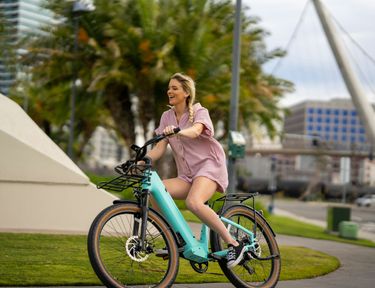
Una solución que está ganando impulso rápidamente es la adopción de Bicicletas eléctricas. También conocidas como bicicletas eléctricas o Bicicletas eléctricas: estos vehículos combinan la comodidad del ciclismo con la energía de la batería. Están demostrando ser un cambio radical al ayudar a las áreas urbanas a reducir su huella de carbono y al mismo tiempo ofrecer a los residentes una forma más saludable y económica de viajar.
¿Por qué las zonas urbanas tienen problemas con las emisiones?
El transporte urbano representa una gran parte de la contaminación urbana. Los vehículos de gasolina y diésel liberan dióxido de carbono (CO₂), óxidos de nitrógeno y partículas, todo lo cual contribuye al cambio climático y a la mala calidad del aire. Según la Agencia Internacional de la Energía, el transporte es responsable de casi una cuarta parte de las emisiones globales de CO₂ relacionadas con la energía.
Si a eso añadimos el tiempo que los vehículos pasan parados en el tráfico congestionado, los costes ambientales se disparan aún más. dónde bicicletas eléctricas paso como alternativa de bajas emisiones.
Las ventajas medioambientales de las bicicletas eléctricas
Pasar de coches a bicicletas eléctricas Reduce drásticamente las emisiones por viaje. Mientras que un coche típico produce más de 250 gramos de CO2 por kilómetro, un bicicleta eléctrica genera sólo entre 20 y 25 gramos por kilómetro, principalmente a partir de la generación de electricidad durante la carga.
Las principales ventajas incluyen:
Cero emisiones de escape– Bicicletas eléctricas No quema combustible, eliminando los gases de escape nocivos.
Eficiencia energética – Recargando un batería de bicicleta eléctrica requiere mucha menos energía que abastecer de combustible un automóvil o una motocicleta.
Reducción de la contaminación acústica– Su funcionamiento silencioso crea entornos urbanos más tranquilos y menos estresantes.
Congestión reducida– Bicicletas eléctricas tomar Poco espacio, aliviando los atascos y mejorando el flujo del tráfico.
En resumen, cada viaje en un bicicleta eléctrica reemplaza emisiones que habrían provenido de un vehículo propulsado por combustible.
Beneficios para la salud y el estilo de vida
El impacto de bicicletas eléctricas va más allá El medio ambiente. Fomentan estilos de vida más saludables y activos, a la vez que facilitan los desplazamientos urbanos.
Mejoras en la calidad del aire: Más bicicletas eléctricas significan menos vehículos contaminantes, lo que resulta en un aire urbano más limpio.
Ejercicio con asistencia: A diferencia de los ciclomotores o coches, bicicletas eléctricas Aún requieren algo de pedaleo. Los ciclistas disfrutan de ejercicios de bajo impacto mientras viajan.
Reducción del estrés: Evitar los atascos y encontrar aparcamiento rápido ayuda a los viajeros a sentirse más relajados.
Alivio del calor urbano: Menos automóviles reducen el “efecto isla de calor” que hace que los centros urbanos sean más calurosos que las áreas circundantes.
Juntos, estos beneficios crean ciudades que no sólo son más verdes sino también más saludables y habitables.
Ahorro de costes para pasajeros y ciudades
El caso financiero para bicicletas eléctricas es tan fuerte como el ambiental.
Costos de funcionamiento más bajos: Cargando un bicicleta eléctrica cuesta sólo un Una fracción de lo que cuesta repostar un coche. El mantenimiento también es más sencillo y económico.
Reducción de la tensión en la infraestructura: Las ciudades gastan menos en estacionamientos y mantenimiento de carreteras cuando más gente usa la bicicleta.
Eficiencia empresarial: Empresas de reparto que utilizan bicicletas eléctricas reducir los costos de combustible y hacer entregas más rápidas en calles concurridas.
Tanto para los particulares como para los municipios, las bicicletas eléctricas representan una vía rentable hacia la sostenibilidad.
Una opción natural para empresas y flotas
En RAZONESEntendemos que elegir lo correcto bicicleta eléctrica Es una decisión clave para empresas y gestores de flotas que buscan soluciones de transporte sostenibles. Por eso, siempre nos hemos centrado en la fiabilidad, la durabilidad y la tecnología inteligente.
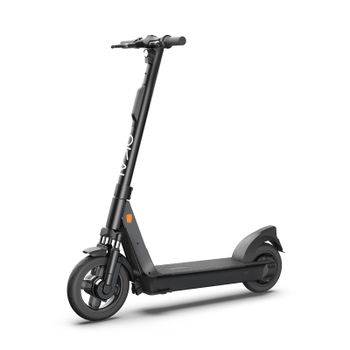
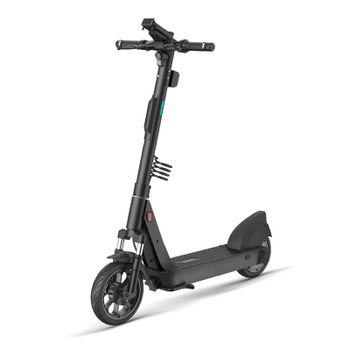
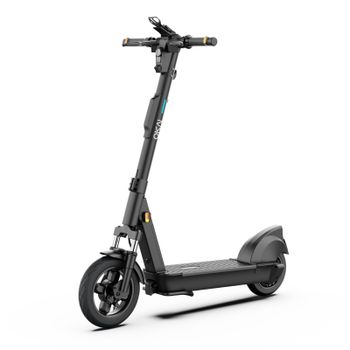
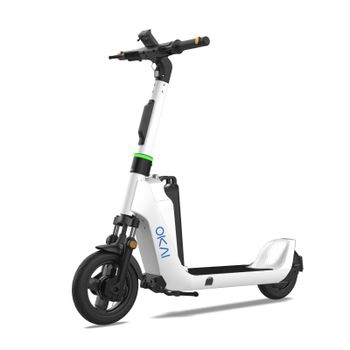
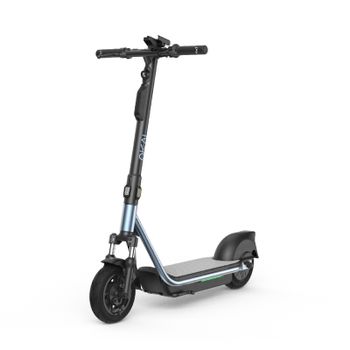
Nuestro bicicleta eléctricasEstán diseñados específicamente para desplazamientos urbanos y operaciones de flota, combinando baterías de larga duración, construcción robusta y conectividad inteligente. Estas características garantizan que cada viaje sea eficiente, seguro y se adapte perfectamente a las exigencias de los entornos urbanos concurridos.
Al asociarnos con OKAI: las empresas no solo reducen su huella de carbono, sino que también obtienen una solución rentable y preparada para el futuro de la movilidad urbana. Nos enorgullece ayudar a las empresas a ahorrar en gastos operativos y, al mismo tiempo, contribuir a ciudades más verdes y limpias.
Apoyo a las políticas y adopción global
Los gobiernos de todo el mundo están reconociendo el potencial de bicicletas eléctricas En la reducción de emisiones. Muchos están implementando políticas para acelerar su adopción:
Incentivos de compra: Subvenciones o créditos fiscales para reducir el coste de propiedad de una bicicleta eléctrica.
Inversión en infraestructura: Ampliación de carriles bici y puntos de carga.
Políticas de acceso urbano: Restringir los coches en los centros urbanos mientras se promueve Apto para bicicletas alternativas.
Programas de bicicletas eléctricas compartidas: Flotas públicas que hacen que los desplazamientos sostenibles sean accesibles para todos.
Por ejemplo, ciudades como París y Ámsterdam han invertido mucho en infraestructura para ciclistas, lo que ha dado lugar a aumentos significativos en Desplazamientos en bicicleta eléctrica y reducciones mensurables en las emisiones de carbono.
El papel de las empresas en el impulso del cambio
No solo los gobiernos pueden impulsar el progreso. Las empresas, especialmente las de logística, reparto de alimentos y servicios urbanos, ya están demostrando su eficacia. bicicletas eléctricas Puede contribuir a la reducción de emisiones. Las empresas que cambian de furgonetas o motocicletas a... bicicletas eléctricas disfruta Entregas más rápidas, costos más bajos y una imagen de marca ecológica más fuerte.
A medida que los consumidores valoran cada vez más la sostenibilidad, la adopción de bicicletas eléctricas también es una decisión empresarial inteligente.
El futuro de la movilidad urbana con bicicletas eléctricas
Mirando hacia el futuro, bicicletas eléctricas Se espera que las bicicletas eléctricas sean aún más vitales para la movilidad urbana. Los avances en la tecnología de baterías ampliarán la autonomía y acortarán los tiempos de carga. La integración con sistemas de ciudades inteligentes podría ayudar a optimizar el flujo de tráfico y proporcionar datos de ruta en tiempo real a los usuarios. Las plataformas de movilidad compartida seguirán expandiéndose, haciendo que las bicicletas eléctricas sean accesibles a más personas sin necesidad de ser propietarias.
Con cada innovación, bicicletas eléctricas convertirse más prácticos, asequibles y atractivos, garantizando que permanezcan en el centro de la planificación urbana sostenible.
Conclusión
Urbano Las áreas se enfrentan a una enorme presión para reducir las emisiones y mejorar la calidad de vida. Bicicletas eléctricas Ofrecen una solución probada, accesible y escalable. Reducen las emisiones de carbono, el ruido, alivian la congestión y crean comunidades más saludables, todo ello a un precio asequible para particulares y empresas.
Con empresas como RAZONESLiderando la innovación en bicicletas eléctricas de alta calidad, la transición a la movilidad sostenible es más fácil que nunca. Al adoptar las bicicletas eléctricas hoy, las ciudades pueden dar un paso importante hacia un futuro más limpio, ecológico y sostenible.

Teléfono: 1-800-660-3498
Correo electrónico:
nihao@okai.co
(para negocios)
b2bsupport@okai.co
(para soporte técnico)
Copyright © 2023 OKAI todos los derechos reservados.