
Guía paso a paso para reemplazar piezas clave de su scooter eléctrico
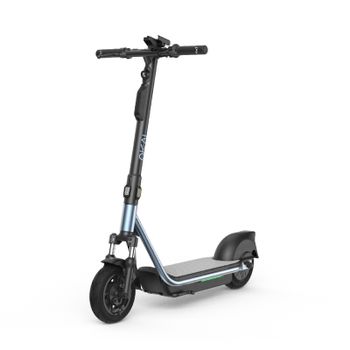
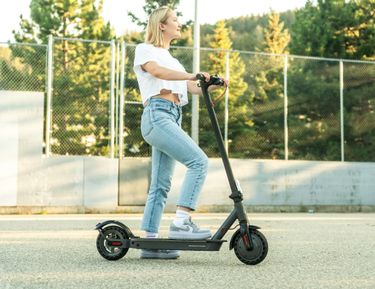
Los patinetes eléctricos se han convertido en una opción popular para los desplazamientos urbanos, ofreciendo comodidad, respeto al medio ambiente y rentabilidad. Como cualquier dispositivo mecánico, requieren un mantenimiento regular para garantizar su seguridad y durabilidad. Reemplazar las piezas desgastadas o dañadas es esencial para que su patinete funcione sin problemas. Esta guía le guía por el proceso de reemplazo de componentes clave de su patinete eléctrico, desde baterías y frenos hasta neumáticos y luces, con pasos claros y consejos prácticos.
Priorizar la seguridad antes del mantenimiento
Antes de comenzar cualquier reparación, la seguridad es lo primero. Apague siempre su patinete eléctrico y, si es posible, desconecte la batería. Use guantes y gafas de protección para evitar lesiones. Trabaje sobre una superficie plana y estable, idealmente en interiores o en un garaje, para evitar accidentes. Tener a mano las herramientas adecuadas (destornilladores, llaves inglesas, alicates) garantiza una reparación más sencilla y evita daños en piezas delicadas.
Identificar los componentes que necesitan reemplazo
Las inspecciones de rutina ayudan a determinar qué piezas requieren atención. Los componentes comunes que se deben revisar incluyen:
- Batería:Alcance reducido o daño visible.
- Frenos:Pastillas o discos desgastados.
- Neumáticos y ruedas:Grietas, pinchazos o banda de rodadura desgastada.
- Panel del acelerador y de la pantalla:Controles responsivos y pantalla clara.
- Luces e indicadores:Luces delanteras y traseras totalmente funcionales.
Identificar los componentes de antemano le permite solicitar las piezas de repuesto correctas, lo que reduce el tiempo de reparación y las molestias.
Cómo reemplazar la batería de tu scooter eléctrico
La batería alimenta su scooter eléctrico, por lo que una batería defectuosa afecta tanto el rendimiento como la seguridad.
Pasos para reemplazar la batería:
1. Retire la tapa de la batería con la herramienta adecuada.
2. Desconecte con cuidado el conector de la batería, prestando atención a la orientación para su reinstalación.
3. Saque la batería vieja del compartimento.
4. Instale la batería nueva, reconectando los cables correctamente.
5. Asegure firmemente la tapa de la batería.
6. Pruebe su scooter para asegurarse de que la batería funciona correctamente.
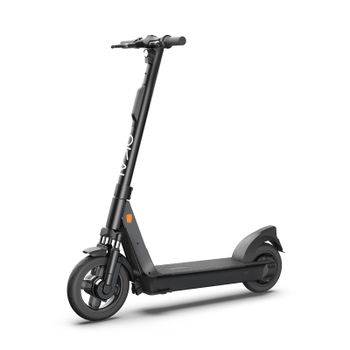
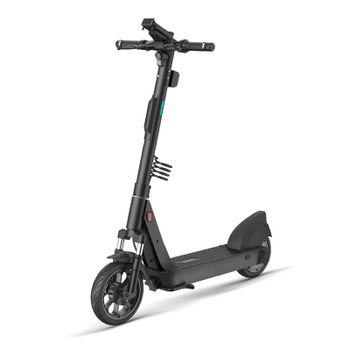
Usar baterías de repuesto de alta calidad diseñadas específicamente para su scooter garantiza una mayor vida útil y un rendimiento confiable. Para quienes buscan scooters duraderos y fáciles de mantener, Causas Ofrece modelos con piezas modulares robustas, pantallas intuitivas y baterías confiables, lo que facilita el mantenimiento y el reemplazo de piezas.
Cómo cambiar los frenos de tu patinete eléctrico
Los frenos funcionales son fundamentales para la seguridad y el rendimiento.
Pasos para reemplazar los frenos del scooter:
1. Identifica si tu scooter utiliza frenos de disco o de tambor.
2. Afloje los pernos de montaje y retire las pastillas o zapatas de freno viejas.
3. Limpie las pinzas y las áreas circundantes para eliminar el polvo y los residuos.
4. Instale pastillas de freno nuevas, alineándolas correctamente con el disco o tambor.
5. Apriete los pernos firmemente sin apretarlos demasiado.
6. Pruebe los frenos suavemente para confirmar que funcionan sin problemas.
El reemplazo regular de los frenos garantiza que su scooter se detenga de manera confiable, lo que previene accidentes y reduce el desgaste de otras partes.
Reemplazo de neumáticos y ruedas
Los neumáticos desgastados reducen la tracción y aumentan el riesgo en superficies mojadas o irregulares.
Pasos para cambiar los neumáticos:
1. Utilice una llave para quitar los pernos de las ruedas.
2. Retire la rueda del patinete.
3. Retire el neumático viejo e inspeccione la cámara interior para ver si tiene daños.
4. Instale el neumático y la cámara nuevos, asegurándose de que estén bien ajustados.
5. Vuelva a colocar la rueda y apriete bien los pernos.
6. Infle los neumáticos a la presión recomendada.
Elegir neumáticos compatibles y duraderos garantiza viajes suaves y seguros, al tiempo que reduce la frecuencia de reemplazos.
Reemplazo del acelerador y el panel de visualización
Un acelerador sensible y una pantalla clara son esenciales para el control y la seguridad.
Pasos para reemplazar el acelerador/pantalla:
1. Desconecte la alimentación del scooter.
2. Desatornille las cubiertas del manillar y retire el acelerador viejo.
3. Desconecte el cableado y retire el panel de visualización si es necesario.
4. Instale el nuevo acelerador y vuelva a conectar el cableado.
5. Vuelva a colocar las cubiertas del manillar de forma segura.
6. Pruebe la respuesta del acelerador y muestre las lecturas.
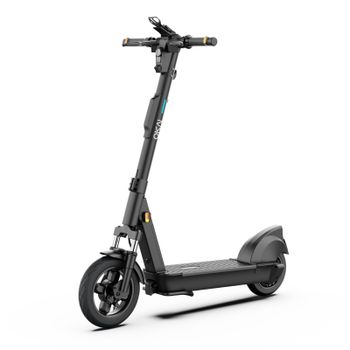
Scooters modernos, incluidos Razones para usar patinetes eléctricos, cuentan con componentes modulares que simplifican el reemplazo de piezas electrónicas, lo que ayuda a los propietarios a mantener el rendimiento sin ayuda profesional.
Reemplazo de luces e indicadores
Una iluminación adecuada mejora la visibilidad y la seguridad durante los viajes nocturnos.
Pasos para reemplazar las luces:
1. Retire los tornillos que sujetan la carcasa del faro o la luz trasera.
2. Desconecte la bombilla o el módulo LED antiguo.
3. Instale el repuesto y vuelva a conectar el cableado.
4. Asegure la carcasa y pruebe todas las luces.
Las luces LED son energéticamente eficientes y duraderas, ofrecen una iluminación más brillante y reducen la necesidad de reemplazos frecuentes.
Consejos para el mantenimiento continuo del patinete eléctrico
Incluso con reemplazos regulares de piezas, el mantenimiento adecuado evita reparaciones costosas:
- Limpie su scooter regularmentepara evitar la acumulación de polvo y suciedad.
- Comprobar pernos y tornillosA menudo para asegurarse de que no haya nada suelto.
- Lubricar las piezas móvilescomo frenos, ruedas y mecanismos de plegado.
- Guardar en el interiorpara proteger de la humedad y temperaturas extremas.
Un cuidado constante mantiene su scooter eléctrico en óptimas condiciones y prolonga la vida útil de sus piezas.
Lea también: Cómo limpiar tu patinete eléctrico: Consejos sencillos para un viaje impecable
Cuándo buscar ayuda profesional
Algunas reparaciones es mejor que las realicen profesionales:
- Problemas eléctricos más allá del reemplazo de la batería.
- Daños en el marco o la estructura.
- Reparaciones complejas de frenos o suspensión.
La ayuda profesional garantiza la seguridad y evita daños accidentales a componentes costosos.
Preguntas frecuentes sobre el reemplazo de piezas de patinetes eléctricos
P1: ¿Con qué frecuencia debo reemplazar la batería de mi scooter?
R: Las baterías suelen durar entre 12 y 24 meses, dependiendo del uso. Si la autonomía es reducida o las señales se hinchan, es necesario reemplazarlas.
P2: ¿Puedo cambiar los neumáticos yo mismo?
R: Sí, con herramientas básicas e instrucciones adecuadas. Asegúrese de seguir las recomendaciones de tamaño y presión de neumáticos.
P3: ¿Son las luces LED mejores que las bombillas tradicionales?
R: Sí, los LED duran más, consumen menos energía y proporcionan una iluminación más brillante.
P4: ¿Cómo sé si es necesario reemplazar los frenos?
R: Una capacidad de respuesta reducida, chirridos o desgaste visible en las pastillas de freno indican que es necesario reemplazarlas.
Conclusión
Reemplazar piezas clave de tu patinete eléctrico es posible para quienes lo usan a diario y es esencial para un funcionamiento seguro y eficiente. Baterías, frenos, neumáticos, aceleradores y luces requieren atención periódica para mantener el rendimiento y la seguridad. El uso de piezas compatibles y de alta calidad garantiza un funcionamiento sin problemas y reduce la frecuencia de las reparaciones.
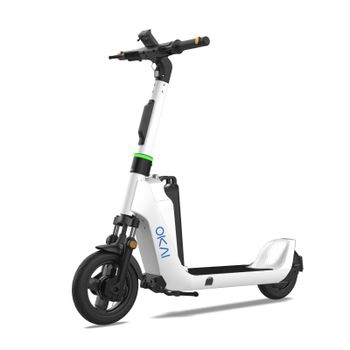
Para los conductores que buscan scooters eléctricos y piezas de repuesto fiables y fáciles de mantener, Causas Ofrece modelos duraderos con diseños modulares, baterías robustas y controles intuitivos para que disfrutes de una conducción suave con un mantenimiento mínimo. Explora su gama completa de patinetes y accesorios para que tu patinete eléctrico funcione como nuevo.
Para obtener más consejos de mantenimiento o explorar scooters eléctricos duraderos y fáciles de reparar, visite Causas Hoy y encuentra el modelo perfecto para tus necesidades.

Teléfono: 1-800-660-3498
Correo electrónico:
nihao@okai.co
(para negocios)
b2bsupport@okai.co
(para soporte técnico)
Copyright © 2023 OKAI todos los derechos reservados.