
¿Cuál es la diferencia entre una bicicleta eléctrica y una bicicleta eléctrica?
El mundo del transporte personal se ha visto revolucionado por las bicicletas eléctricas. Con la creciente popularidad y los avances tecnológicos, muchas personas se preguntan sobre los términos "bicicleta eléctrica" y "bicicleta eléctrica". ¿Son lo mismo o se refieren a diferentes tipos de bicicletas? Esta guía desglosa las similitudes y las sutiles diferencias entre las bicicletas eléctricas y las bicicletas eléctricas, incluyendo definiciones, tipos, características, beneficios y consejos de compra. También destacaremos por qué las bicicletas eléctricas OKAI destacan en este mercado en crecimiento.
¿Cómo funcionan realmente las bicicletas eléctricas?
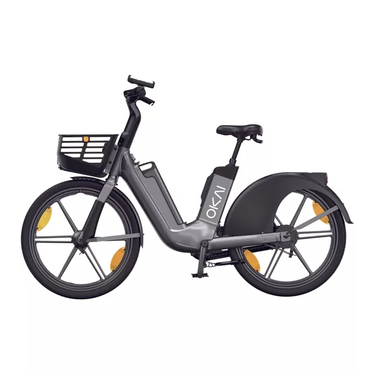
A simple vista, una bicicleta eléctrica parece una bicicleta normal. Pero oculto en el cuadro o las ruedas hay un pequeño motor que te impulsa cuando lo necesitas.
Hay tres partes básicas que hacen que esta magia suceda:
- El motor– Impulsa tu bicicleta. Puede ubicarse en el buje (centro de la rueda) o en la parte media del cuadro.
- La batería– Suministra la energía. La mayoría de las bicicletas eléctricas se pueden cargar en un enchufe de pared.
- El controladorAsí es como interactúas con el motor. Puede tener diferentes modos o configuraciones para elegir cuánta ayuda necesitas.
Algunas bicicletas eléctricas solo funcionan con pedaleo asistido (lo que se conoce como pedaleo asistido), mientras que otras funcionan simplemente con el acelerador, como un patinete. ¿Quieres que tu bicicleta eléctrica siga funcionando correctamente? Consulta esta guía:Consejos para el mantenimiento de su bicicleta eléctrica para una mayor durabilidad y rendimiento.
¿Qué son las bicicletas eléctricas y las bicicletas eléctricas?
Para empezar, aclaremos las definiciones básicas de bicicletas eléctricas y e-bikes.
Una bicicleta eléctrica, abreviatura de "bicicleta eléctrica" es una bicicleta equipada con un motor eléctrico que asiste en la propulsión. La característica principal de una bicicleta eléctrica es su sistema de asistencia al pedaleo, donde el motor se activa solo cuando el ciclista pedalea. Esta asistencia hace que el ciclismo sea menos agotador, especialmente en terrenos cuesta arriba y largas distancias.
Aunque los términos se usan indistintamente, muchos ciclistas buscan "¿cuál es la diferencia entre una bicicleta eléctrica y una e-bike?" porque algunas regiones o marcas usan un término con más frecuencia que el otro. En general, ambos describen una bicicleta equipada con un motor eléctrico, ya sea de pedaleo asistido, acelerador o híbrido.
Las principales diferencias entre bicicletas eléctricas y bicicletas eléctricas
La principal diferencia entre una bicicleta eléctrica y una bicicleta eléctrica se reduce al uso:
- Bicicleta eléctrica: generalmente se refiere a modelos con asistencia de pedaleo.
- Bicicleta eléctrica: término más amplio que incluye bicicletas con asistencia de pedaleo y de aceleración.
- Preferencia regional: "E-bike" es más común en Europa y Asia, "electric bike" es más común en América del Norte.
Estas diferencias son sutiles, por lo que muchos usuarios buscan “cuál es la diferencia entre una bicicleta eléctrica y una bicicleta eléctrica” para aclararlas.
¿Cuáles son los tipos de bicicletas eléctricas y bicicletas eléctricas?
Las bicicletas eléctricas vienen en varios tipos, cada una diseñada para usos y preferencias específicos. Estas son las categorías principales:
1. Bicicletas con asistencia de pedaleo (Pedelec)
Estas bicicletas solo ofrecen asistencia motorizada cuando el ciclista pedalea. El nivel de asistencia suele ser ajustable, lo que permite al ciclista controlar la cantidad de ayuda que recibe del motor.
2. Bicicletas con acelerador
Las bicicletas con acelerador permiten al ciclista activar el motor con un acelerador, similar a una motocicleta o scooter. Esto significa que la bicicleta puede impulsarse sin pedalear, ofreciendo una experiencia de conducción más relajada.
3. Bicicletas eléctricas de velocidad
Las Speed Pedelecs son bicicletas eléctricas de alto rendimiento que permiten alcanzar velocidades más altas, generalmente alrededor de 45 km/h. Son populares entre quienes viajan diariamente al trabajo y necesitan cubrir distancias más largas rápidamente.
4. Bicicletas eléctricas de carga
Diseñadas para transportar cargas pesadas, las bicicletas eléctricas de carga están equipadas con cuadros robustos y motores potentes. Son ideales para repartos, compras o transporte de niños.
5. Bicicletas eléctricas de montaña
Las bicicletas eléctricas de montaña están diseñadas para aventuras todoterreno. Cuentan con cuadros robustos, motores de alto par y sistemas de suspensión mejorados para afrontar terrenos difíciles.
6. Bicicletas eléctricas plegables
Las bicicletas eléctricas plegables son compactas y portátiles, lo que las hace perfectas para los habitantes urbanos que necesitan guardar sus bicicletas en espacios pequeños o llevarlas en el transporte público.
¿Cuáles son las características de las bicicletas eléctricas y las bicicletas eléctricas?
Las bicicletas eléctricas modernas incorporan diversas características que mejoran su rendimiento, comodidad y seguridad. Estas son algunas características clave que debes buscar:
1. Motor
El motor es el corazón de una bicicleta eléctrica. Los motores pueden estar ubicados en la rueda delantera, trasera o en la transmisión central (centro de la bicicleta). Los motores de transmisión central son conocidos por su equilibrio y eficiencia, mientras que los motores de buje son más sencillos y económicos.
2. Batería
La batería alimenta el motor y es un componente crucial de una bicicleta eléctrica. La capacidad de las baterías varía, lo que afecta la autonomía de la bicicleta (la distancia que puede recorrer con una sola carga). Las baterías de iones de litio son comunes debido a su ligereza y alta densidad energética.
3. Pantalla
La mayoría de las bicicletas eléctricas cuentan con una pantalla en el manillar que muestra información esencial como la velocidad, el nivel de batería, la distancia recorrida y el nivel de asistencia. Las pantallas avanzadas también pueden incluir navegación GPS y funciones de conectividad.
4. Marco
Los cuadros de bicicletas eléctricas están diseñados para soportar el peso adicional del motor y la batería. Están disponibles en diversos materiales, como aluminio, acero y fibra de carbono, cada uno con diferentes niveles de resistencia y peso.
5. Frenos
Dadas las mayores velocidades y el peso de las bicicletas eléctricas, normalmente están equipadas con potentes sistemas de frenado, como frenos de disco hidráulicos, para garantizar la seguridad.
6. Engranajes
Las bicicletas eléctricas pueden tener cambios mecánicos tradicionales, sistemas de cambio electrónicos o cambios internos en el buje. Los sistemas de cambios ayudan a los ciclistas a mantener una cadencia y eficiencia de pedaleo óptimas.
¿Cuáles son los beneficios de las bicicletas eléctricas?
El auge de las bicicletas eléctricas se debe a sus numerosas ventajas. Estas son algunas de las principales:
1. Beneficios para la salud
Las bicicletas eléctricas son una excelente manera de hacer ejercicio y, al mismo tiempo, reducen el esfuerzo asociado con el ciclismo tradicional. La función de asistencia al pedaleo anima a más personas a usarlas, lo que mejora la salud cardiovascular y el estado físico general.
2. Beneficios ambientales
Las bicicletas eléctricas son un medio de transporte ecológico. No producen emisiones y pueden reducir significativamente la huella de carbono en comparación con los coches y las motos.
3. Ahorro de costes
Si bien la inversión inicial en una bicicleta eléctrica puede ser mayor que en una bicicleta tradicional, el ahorro a largo plazo es considerable. Las bicicletas eléctricas tienen menores costos de mantenimiento y eliminan la necesidad de combustible, lo que las convierte en una opción de transporte rentable.
4. Conveniencia
Las bicicletas eléctricas facilitan y hacen más eficiente el desplazamiento, especialmente en zonas urbanas con mucho tráfico. Ofrecen una solución práctica para el transporte diario, reduciendo la dependencia del coche y el transporte público.
5. Accesibilidad
Las bicicletas eléctricas hacen que el ciclismo sea accesible para un público más amplio, incluyendo personas con limitaciones físicas o adultos mayores. La asistencia del motor ayuda a los ciclistas a afrontar cuestas y distancias más largas con facilidad.
6. Diversión y aventura
Montar una bicicleta eléctrica es una experiencia placentera. Ya sea para ir al trabajo, hacer recados o explorar la naturaleza, las bicicletas eléctricas añaden un toque de diversión a tus viajes.
¿Cómo elegir la bicicleta eléctrica o E-Bike adecuada?
Elegir la bicicleta eléctrica adecuada implica considerar varios factores para que se ajuste a tus necesidades y preferencias. Aquí tienes algunos consejos para ayudarte a tomar una decisión informada:2
1. Determine sus necesidades de conducción
Piensa en cómo planeas usar la bicicleta eléctrica. ¿Vas a desplazarte al trabajo, a pasear, a recorrer senderos todo terreno o a transportar carga? El uso que le vayas a dar te ayudará a elegir el tipo de bicicleta eléctrica adecuado.
2. Considere el motor y la batería
Evalúe la potencia del motor y la capacidad de la batería. Un motor de mayor potencia proporciona mayor asistencia, mientras que una batería más grande amplía la autonomía de la bicicleta. Considere sus distancias y terrenos habituales.
3. Prueba diferentes modelos
Antes de comprar, prueba varios modelos de bicicletas eléctricas para familiarizarte con su rendimiento, comodidad y manejo. Presta atención a la suavidad con la que se activa el motor y a la estabilidad general de la bicicleta.
4. Verifique las características
Busque características que mejoren su experiencia de conducción, como niveles de asistencia ajustables, diseños ergonómicos, pantallas avanzadas y sistemas de frenado fiables. Elija un modelo que ofrezca las características que más valora.
5. Lea reseñas y busque recomendaciones
Investiga reseñas en línea y pide recomendaciones a otros usuarios de bicicletas eléctricas. Aprender de las experiencias de otros puede brindarte información valiosa sobre las ventajas y desventajas de los diferentes modelos.
Si le preocupan los límites de peso o seleccionar el modelo adecuado según su peso corporal, esta guía puede ayudarle: Elige una bicicleta eléctrica con el peso adecuado.
Mantenimiento y cuidado de bicicletas eléctricas
Un mantenimiento adecuado es esencial para mantener tu bicicleta eléctrica en óptimas condiciones y garantizar su longevidad. Aquí tienes algunos consejos de mantenimiento:
1. Limpieza periódica
Mantén tu bicicleta eléctrica limpia lavándola regularmente con agua y jabón suave. Evita usar agua a alta presión, ya que puede dañar los componentes eléctricos. Sécala bien después de limpiarla.
2. Cuidado de la batería
Siga las instrucciones del fabricante para cargar y almacenar la batería. Evite las temperaturas extremas y la sobrecarga. Inspeccione la batería regularmente para detectar cualquier signo de daño o desgaste.
3. Mantenimiento de neumáticos
Revise la presión de las llantas regularmente e ínflelas a los niveles recomendados. Inspeccione las llantas para detectar desgaste y reemplácelas cuando sea necesario para mantener una tracción y seguridad óptimas.
4. Inspección de frenos
Asegúrese de que los frenos funcionen correctamente y de que las pastillas de freno no estén desgastadas. Revise periódicamente el nivel de líquido de frenos en los frenos hidráulicos y rellénelo si es necesario.
5. Lubricación
Mantenga la cadena y demás piezas móviles lubricadas para reducir la fricción y el desgaste. Utilice un lubricante adecuado y evite la lubricación excesiva, ya que puede atraer suciedad y residuos.
6. Mantenimiento regular
Programe revisiones periódicas con un técnico profesional para que inspeccione y ajuste su bicicleta eléctrica. El mantenimiento profesional garantiza que todos los componentes funcionen correctamente y que cualquier problema se solucione con prontitud.
Conclusión
En conclusión, los términos "bicicleta eléctrica" y "bicicleta eléctrica" se suelen usar indistintamente, y ambos se refieren a bicicletas equipadas con un motor eléctrico. Tanto si buscas un modelo con asistencia de pedaleo como una bicicleta con acelerador, existe una amplia gama de opciones disponibles para satisfacer tus necesidades.
Las bicicletas eléctricas ofrecen numerosos beneficios, como mejor salud, sostenibilidad ambiental, ahorro, comodidad, accesibilidad y diversión. Elegir la bicicleta eléctrica adecuada implica considerar tus necesidades de conducción, las especificaciones del motor y la batería, y las características deseadas. El mantenimiento regular es crucial para que tu bicicleta eléctrica rinda al máximo.
Si está explorando bicicletas eléctricas de alta calidad, ya sea para uso personal o para flotas,RAZONES ofrece modelos fiables, duraderos e innovadores diseñados para la movilidad moderna. Su ingeniería, sistemas de baterías y funciones inteligentes hacen de OKAI una excelente opción para empresas y conductores que buscan un rendimiento a largo plazo.

Teléfono: 1-800-660-3498
Correo electrónico:
nihao@okai.co
(para negocios)
b2bsupport@okai.co
(para soporte técnico)
Copyright © 2023 OKAI todos los derechos reservados.