
¿Las bicicletas eléctricas requieren mucho mantenimiento?
Las bicicletas eléctricas, o e-bikes, han ganado popularidad, ofreciendo una forma ecológica, económica y divertida de viajar. Sin embargo, los compradores potenciales a menudo se preguntan sobre el mantenimiento: ¿Requieren mucho mantenimiento? Profundicemos en esta pregunta, analizando qué implica tener una e-bike y cómo se compara con las bicicletas tradicionales y otros medios de transporte.
Comprensión de los componentes de una bicicleta eléctrica
Para comprender las necesidades de mantenimiento de las bicicletas eléctricas, es fundamental comprender sus componentes. Una bicicleta eléctrica combina piezas tradicionales con componentes eléctricos adicionales, como:
- Batería: Alimenta el motor y necesita cargarse regularmente.
- Motor: Proporciona asistencia al pedaleo y requiere un mantenimiento mínimo.
- Controlador: gestiona el flujo de energía desde la batería al motor.
- Pantalla: muestra la velocidad, el nivel de batería y otras métricas.
Tareas de mantenimiento rutinario
Al igual que las bicicletas convencionales, bicicletas eléctricasNecesitan mantenimiento rutinario. Estas son algunas tareas comunes:
1. Control e inflado de neumáticos
Bicicleta eléctricaLas llantas pueden desgastarse más rápido debido al peso y la velocidad adicionales. Revise regularmente el desgaste y asegúrese de que estén bien infladas para evitar pinchazos y garantizar una conducción suave.
2. Inspección de los frenos
Debido a las altas velocidades, las bicicletas eléctricas dependen en gran medida de su sistema de frenos. Inspeccione regularmente las pastillas y los cables de freno, reemplácelos según sea necesario para garantizar la seguridad.
3. Cuidado de la cadena y la transmisión
Mantener la cadena y la transmisión limpias y lubricadas es crucial. La suciedad y la mugre se acumulan rápidamente, lo que provoca un rendimiento deficiente y desgaste.
4. Mantenimiento de la batería
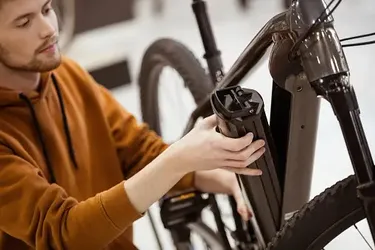
El mantenimiento de la batería es relativamente sencillo, pero crucial para la longevidad de tu bicicleta eléctrica. Revisa regularmente su nivel de carga, limpia los terminales y guárdala adecuadamente cuando no la uses.
Factores que afectan el mantenimiento de las bicicletas eléctricas
El nivel de mantenimiento necesario para su bicicleta eléctrica depende de algunos factores clave:
1. La calidad de la bicicleta
Al igual que las bicicletas tradicionales, la calidad de una bicicleta eléctrica influye significativamente en la frecuencia de mantenimiento. Las bicicletas eléctricas de gama alta con componentes de calidad suelen durar más y requieren menos reparaciones. Por otro lado, las bicicletas eléctricas de gama básica pueden requerir más atención debido a la menor durabilidad de sus componentes.
2. Con qué frecuencia lo usas
Cuanto más uses tu bicicleta eléctrica, mayor será su desgaste. El uso regular del motor, la batería y otras piezas móviles puede acelerar su degradación si no se mantiene adecuadamente. Si usas tu bicicleta eléctrica para desplazarte a diario, es posible que necesites mantenimiento con mayor frecuencia que si la usas ocasionalmente.
3. El terreno por el que conduces
Conducir por terrenos irregulares puede causar mayor estrés en los componentes de la bicicleta, especialmente el motor y las ruedas. Si conduces tu bicicleta eléctrica por carreteras con cuestas o senderos todo terreno, deberás tener especial cuidado y revisar la integridad de estas piezas con regularidad.
4. Condiciones meteorológicas
Las condiciones climáticas extremas, como lluvias intensas, nieve o calor intenso, pueden afectar el rendimiento y la vida útil de tu bicicleta eléctrica. Por ejemplo, la humedad puede oxidar las piezas metálicas, mientras que las temperaturas extremas pueden reducir la eficiencia de la batería. Un almacenamiento y cuidado adecuados en condiciones adversas son cruciales para minimizar las necesidades de mantenimiento.
Áreas clave del mantenimiento de bicicletas eléctricas
Ahora que entendemos los factores que influyen en el mantenimiento, analicemos los componentes principales de su bicicleta eléctrica que requieren atención regular.
1. Cuidado y mantenimiento de la batería
La batería es el corazón de una bicicleta eléctrica, y mantenerla en buenas condiciones es esencial para garantizar que su bicicleta funcione sin problemas.
Cargando
Para prolongar la vida útil de la batería de tu bicicleta eléctrica, sigue siempre las instrucciones del fabricante al cargarla. Evita sobrecargarla o descargarla por completo. Es recomendable cargarla cuando esté entre el 20 % y el 30 % de su capacidad para garantizar su buen estado.
Almacenamiento
Cuando no la use, guarde la batería en un lugar fresco y seco, alejada de la luz solar directa. Guardarla con la carga completa durante largos periodos puede reducir su vida útil. Si no va a usar la bicicleta durante un periodo prolongado, cargue la batería aproximadamente al 50 % antes de guardarla.
Reemplazo de batería
Incluso con el cuidado adecuado, la batería de una bicicleta eléctrica eventualmente necesitará ser reemplazada. La mayoría de las baterías duran entre 2 y 5 años, dependiendo del uso. Reemplazar la batería puede ser una inversión costosa, así que prepárese para esa eventualidad.
2. Mantenimiento del motor y la transmisión
El motor de tu bicicleta eléctrica está diseñado para durar muchos años, pero es importante cuidarlo para garantizar su correcto funcionamiento. Revisa regularmente si hay cables sueltos y asegúrate de que el motor esté libre de residuos.
Lubricación
Al igual que una bicicleta tradicional, la transmisión de tu bicicleta eléctrica (cadena, engranajes y cassette) requiere lubricación regular. Una transmisión bien lubricada funcionará con mayor eficiencia, reduciendo el desgaste del motor y otras piezas.
Inspecciones
Asegúrese de inspeccionar regularmente el motor para detectar cualquier signo de desgaste, como ruidos extraños o disminución de potencia. Si experimenta algún problema, solicite la revisión del motor a un profesional.
3. Frenos y neumáticos
Los frenos y los neumáticos son fundamentales para la seguridad, por lo que deben estar en óptimas condiciones en todo momento.
Pastillas de freno
Revise regularmente el desgaste de las pastillas de freno. Si nota algún ruido o una reducción en la potencia de frenado, es hora de cambiarlas. Las bicicletas eléctricas suelen usar frenos de disco, que requieren un poco más de mantenimiento que los frenos de bicicleta convencionales.
Neumáticos
Los neumáticos de las bicicletas eléctricas están expuestos a mucho estrés, especialmente si se conducen por carreteras en mal estado. Revise la presión de los neumáticos con regularidad, ya que un inflado insuficiente puede reducir el rendimiento y sobrecargar el motor. Además, esté atento a cortes o pinchazos que puedan requerir reparación.
4. Componentes eléctricos
Los componentes eléctricos de tu bicicleta eléctrica, como el controlador y el cableado, deben revisarse periódicamente. Los cables sueltos o dañados pueden causar problemas eléctricos y afectar el rendimiento de la bicicleta.
Limpieza periódica
El polvo y la suciedad pueden acumularse en el controlador y el cableado, especialmente si conduces con frecuencia fuera de carretera. Es importante limpiar estos componentes periódicamente para evitar posibles daños. Usa un paño suave o un cepillo para limpiar las conexiones con cuidado y asegurarte de que todo funciona correctamente.
5. Mantenimiento general
Además de los componentes principales, también debes realizar las tareas habituales de mantenimiento de la bicicleta, como revisar el cuadro en busca de grietas, apretar los tornillos sueltos y limpiar la bicicleta después de cada uso. Un pequeño mantenimiento rutinario puede ser muy útil para garantizar que tu bicicleta eléctrica se mantenga en óptimas condiciones.
Cuidado de componentes eléctricos
A diferencia de las bicicletas tradicionales, las bicicletas eléctricas tienen componentes eléctricos que requieren atención:
1. Cuidado de la batería
Cargue la batería según las instrucciones del fabricante. Evite que se descargue por completo y guárdela en un lugar fresco y seco.
2. Mantenimiento del motor
La mayoría de los motores de bicicletas eléctricas son unidades selladas que requieren un mantenimiento mínimo. Las revisiones y la limpieza regulares pueden evitar que la suciedad y el agua causen daños.
3. Actualizaciones de software
Algunas bicicletas eléctricas incluyen software que puede requerir actualizaciones ocasionales. Estas actualizaciones pueden mejorar el rendimiento y solucionar pequeños problemas.
Comparación del mantenimiento de bicicletas eléctricas y tradicionales
Las bicicletas eléctricas y las bicicletas tradicionales comparten muchas necesidades de mantenimiento, pero las bicicletas eléctricas tienen componentes eléctricos adicionales que requieren cuidado. Sin embargo, las bicicletas eléctricas modernas están diseñadas para ser fáciles de usar, y muchas tareas de mantenimiento son fácilmente manejables por el propietario.
Costos de mantenimiento de una bicicleta eléctrica
El mantenimiento de una bicicleta eléctrica puede ser rentable si se mantienen al día con las tareas rutinarias. Estos son algunos costos típicos:
1. Reemplazo de neumáticos
Se espera que las llantas se reemplacen cada 1,600 a 3,000 millas. El costo oscila entre $30 y $70 por llanta.
2. Pastillas de freno
Es posible que sea necesario reemplazar las pastillas de freno cada 500 a 1,000 millas, lo que cuesta entre $10 y $30 por juego.
3. Reemplazo de la batería
Las baterías de las bicicletas eléctricas duran de 3 a 5 años en promedio. Los reemplazos pueden costar entre $300 y $800, según el modelo.
Consejos para una bicicleta eléctrica más longeva
- Inspecciones periódicas: revise periódicamente su bicicleta eléctrica para detectar cualquier signo de desgaste o daño.
- Manténgala limpia: limpie su bicicleta eléctrica periódicamente para evitar la acumulación de suciedad y mugre.
- Siga las pautas del fabricante: cumpla con las pautas de mantenimiento proporcionadas por el fabricante para un rendimiento óptimo.
Conclusión
Entonces, ¿son bicicletas eléctricas ¿Requieren mucho mantenimiento? La respuesta es sí y no. Si bien requieren un cuidado adicional para sus componentes eléctricos, gran parte del mantenimiento es similar al de las bicicletas tradicionales. Un mantenimiento regular y sencillo puede mantener el buen funcionamiento de tu bicicleta eléctrica y prolongar su vida útil.
Con revisiones periódicas y un cuidado adecuado, el mantenimiento de una bicicleta eléctrica es fácil y puede brindarte años de viajes placenteros y ecológicos. Al comprender las tareas clave de mantenimiento y los costos involucrados, puedes tomar una decisión informada sobre si una bicicleta eléctrica es adecuada para ti.
Blog relacionado: ¿Qué no debes hacer en una bicicleta eléctrica?

Teléfono: 1-800-660-3498
Correo electrónico:
nihao@okai.co
(para negocios)
b2bsupport@okai.co
(para soporte técnico)
Copyright © 2023 OKAI todos los derechos reservados.