
Leyes y regulaciones sobre patinetes eléctricos en todo el mundo: ¿Qué es legal y qué no?
A medida que la micromovilidad gana impulso, Patinetes eléctricosLos patinetes eléctricos se están convirtiendo rápidamente en una solución ideal para viajes cortos en ciudades de todo el mundo. Son prácticos, eficientes y ecológicos, pero su popularidad también plantea una pregunta crucial: ¿cuáles son las leyes sobre patinetes eléctricos en tu ciudad o país?
Los marcos legales varían considerablemente de una región a otra. Mientras que algunas ciudades reciben con los brazos abiertos los patinetes eléctricos y les brindan una infraestructura específica, otras imponen restricciones, o incluso prohibiciones totales, a su uso. Comprender estas variaciones legales es esencial para usuarios, operadores de flotas y empresas que planean expandirse a nuevos mercados.
Por qué es fundamental comprender la legislación sobre patinetes eléctricos
Normativa sobre patinetes eléctricos Están evolucionando para adaptarse a la rápida adopción. Unas leyes claras ayudan a las ciudades a equilibrar la innovación con la seguridad pública, a la vez que ofrecen protección legal tanto a los usuarios como a las empresas. Sin claridad regulatoria, problemas como la congestión vehicular, las infracciones de tránsito y la responsabilidad civil de las aseguradoras pueden convertirse rápidamente en obstáculos importantes.
Ya sea que se trate de un servicio de entrega que explora la movilidad de última milla o de un viajero que se sube a un scooter de alquiler, vale la pena conocer las reglas locales.
Guías regionales sobre la legislación de patinetes eléctricos
Las normativas sobre patinetes eléctricos varían significativamente entre países y regiones. Si buscas información detallada sobre los requisitos locales, consulta nuestras guías específicas para cada país:
- Leyes sobre patinetes eléctricos en Estados Unidos
- Leyes sobre patinetes eléctricos en el Reino Unido
- Leyes sobre patinetes eléctricos en la Unión Europea
- Leyes sobre patinetes eléctricos en Japón
- Leyes sobre patinetes eléctricos en Corea del Sur
Para obtener una descripción general completa de las regulaciones regionales, visite nuestra sección de Descripción general de las leyes locales.
América del Norte: un mosaico de regulaciones
Estados Unidos
En los Estados Unidos, Leyes sobre patinetes eléctricos Se gestionan a nivel estatal y municipal. Si bien California, Texas y Florida permiten patinetas en carreteras con límites de velocidad inferiores a 40 km/h, otros estados... Tienen políticas más estrictas. El uso del casco suele ser obligatorio para los conductores menores de 18 años, y suele estar prohibido circular por las aceras.
Algunas ciudades como Los Ángeles y Washington, D.C., han lanzado programas regulados de scooters compartidos con zonas de estacionamiento designadas y límites de velocidad establecidos. Sin embargo, la aplicación de las normas y los requisitos pueden variar considerablemente de una ciudad a otra.
Para obtener un desglose de las regulaciones estado por estado, lea nuestra Guía completa para Leyes sobre patinetes eléctricos en Estados Unidos.
Canadá
Canadá también presenta diferencias regionales. Ontario opera bajo un programa piloto de cinco años que permite Patinetes eléctricos En vías públicas y ciclovías, siempre que no superen los 24 km/h ni los 500 vatios de potencia. Quebec, por otro lado, exige el registro de patinetes si la potencia del motor supera los 500 W o la velocidad máxima supera los 32 km/h. Las normas sobre el uso del casco y las restricciones de edad también difieren entre provincias.
Europa: el hogar de algunas de las leyes más completas sobre patinetes eléctricos
Alemania
Alemania aplica medidas estrictas Normativa sobre patinetes eléctricos Para garantizar la seguridad, los conductores deben tener al menos 14 años. Los patinetes necesitan seguro y cada unidad debe mostrar una calcomanía de seguro. La velocidad máxima es de 20 km/h y solo se permite circular por carriles bici y carreteras, nunca por aceras.
Francia
En Francia, los conductores deben tener al menos 12 años y el casco es obligatorio para los menores de 18. Los patinetes tienen prohibido circular por las aceras y no deben superar los 25 km/h. Conducir de noche requiere un chaleco reflectante, y usar el teléfono mientras se conduce puede conllevar multas cuantiosas.
Reino Unido
El Reino Unido prohibió durante mucho tiempo los patinetes eléctricos en la vía pública, a menos que formaran parte de un programa de alquiler autorizado. Ahora, ciudades como Londres y Birmingham participan en ensayos gubernamentales. Sin embargo, Patinetes eléctricos de propiedad privada Siguen siendo ilegales en las vías públicas, al menos por ahora.
Mucha gente todavía se pregunta: "¿Por qué son ilegales los patinetes eléctricos en el Reino Unido?". La razón principal es que las clasificaciones actuales de vehículos aún no se han actualizado para incluir los dispositivos de movilidad personal. Puede obtener más información sobre las políticas y los ensayos actuales en nuestro blog.¿Son legales los patinetes eléctricos en EE. UU.?¿K?
Asia-Pacífico: Adopción rápida con controles estrictos
China
China es el mercado más grande del mundo para patinetes eléctricos, pero Las regulaciones apenas han empezado a ponerse al día. Algunas ciudades limitan la velocidad máxima a 20 km/h, exigen el uso de casco y prohíben los patinetes en las aceras. La aplicación de la normativa varía según la ciudad, pero se están implementando nuevas normas para mejorar la seguridad y el orden.
Singapur
Singapur adopta un enfoque estructurado que prioriza la seguridad. dispositivos de movilidad personal (PMD) debe cumplir Se aplican criterios de peso, tamaño y velocidad, y los usuarios deben aprobar un examen teórico obligatorio. Los patinetes están restringidos a las ciclovías, y su uso ilegal puede conllevar multas cuantiosas.
Australia
Las leyes de Australia varían según el estado. Queensland permite el uso de patinetes eléctricos en ciclovías y senderos peatonales con un límite de velocidad de 25 km/h, mientras que Nueva Gales del Sur los restringe a propiedades privadas. El uso del casco es obligatorio en todas las regiones donde se permite circular en público.
Oriente Medio y África: Regulaciones emergentes
Emiratos Árabes Unidos
Dubái legalizó los patinetes eléctricos para uso público en 2022, con restricciones de velocidad (20 km/h), carriles reservados y uso de casco. Los conductores también deben obtener un permiso de conducir. La ciudad impulsa un modelo de movilidad compartida, con operadores con licencia que ofrecen servicios de flota en zonas de alto tráfico.
Sudáfrica
Sudáfrica todavía está desarrollando su leyes sobre patinetes eléctricos, y La mayoría de las regulaciones se rigen por las leyes de tránsito vigentes para vehículos motorizados. Esto suele generar confusión, y existe una creciente demanda de marcos legales específicos para scooters que aclaren el uso permitido y las normas de seguridad.
América Latina: Crecimiento rápido con supervisión gradual
Brasil
Las principales ciudades brasileñas han adoptado sistemas de uso compartido de patinetes eléctricos, pero La supervisión legal aún se está actualizando. El uso del casco es obligatorio y está prohibido circular por las aceras. Sin embargo, la aplicación de la ley es inconsistente y varía entre municipios.
México
La Ciudad de México ha tomado medidas para regular el uso compartido de patinetas, estableciendo límites de velocidad, estacionamiento adecuado y licencias de operación para los proveedores de servicios. Las patinetas privadas están menos reguladas, aunque las autoridades locales promueven medidas de seguridad.
Leyes sobre cascos y límite de edad: Lo que los motociclistas deben saber
Una de las preguntas más frecuentes es si es obligatorio usar casco para patinetes eléctricos. La mayoría de las regiones ya cuentan con una ley que regula el uso del casco para patinetes eléctricos, especialmente para menores de 18 años. Alemania y Francia exigen el uso del casco para menores, mientras que Australia y Singapur lo exigen para todos.
Los límites de edad son otra regulación clave. En la mayoría de los países, el límite de edad para patinetes eléctricos oscila entre los 14 y los 16 años, aunque algunas ciudades imponen normas más estrictas. Conocer estos detalles no solo le ayuda a cumplir con las normas, sino que también ayuda a los operadores a diseñar programas de flotas más seguros.
Tendencias globales en la regulación de los patinetes eléctricos
En todos los continentes, están surgiendo puntos en común en la forma en que los gobiernos regulan Uso del patinete eléctrico:
- Límites de velocidad: La mayoría de las ciudades imponen velocidades máximas entre 20 y 25 km/h.
- Requisitos del casco: Varía según la región, a menudo es obligatorio para conductores menores de 18 años.
- Límites de edad: Los pasajeros generalmente deben tener entre 14 y 16 años como mínimo.
- Prohibiciones de paso en las aceras: Una tendencia creciente en muchas ciudades es el traslado de los scooters a los carriles bici.
- Seguro y Registro: Cada vez es más común, especialmente en Europa.
Algunas regiones incluso han prohibido temporalmente los patinetes eléctricos para abordar problemas de seguridad o estacionamiento, mientras que otras están actualizando sus marcos para reintroducirlos bajo un control más estricto. A medida que las ciudades se adaptan, también construyen infraestructura como carriles para patinetes, zonas de estacionamiento designadas y aplicaciones integradas para el transporte público.
Nuestro compromiso con el cumplimiento global en materia de movilidad de patinetes eléctricos
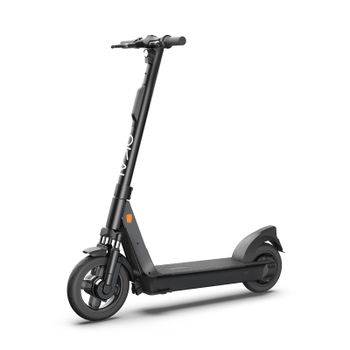
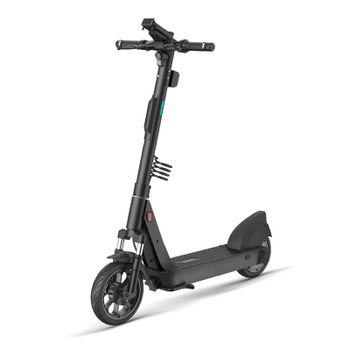
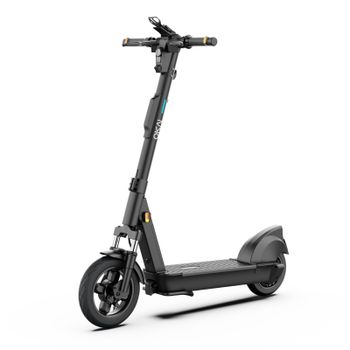
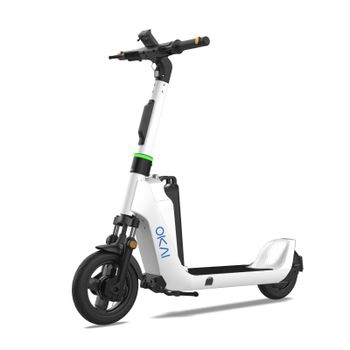
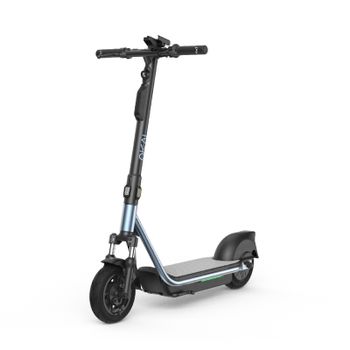
En OKAI, comprendemos los desafíos que enfrentan las empresas al adaptarse a las diversas legislaciones sobre patinetes eléctricos en todo el mundo. Ya sea que esté lanzando una flota compartida o desarrollando un programa de movilidad corporativa, el cumplimiento no solo es importante, sino esencial. Por eso diseñamos cadaPatinete OKAITeniendo en cuenta las normativas regionales, la seguridad y la durabilidad, nuestras soluciones incluyen ajustes de velocidad personalizables, GPS integrado, baterías modulares intercambiables y potentes sistemas de gestión de flotas. Con presencia en más de 80 países, nos enorgullece apoyar a nuestros socios para que cumplan con todas las normativas y expandan sus operaciones con confianza y eficiencia.
Reflexiones finales: Manténgase informado y cumpla con las normas
Los patinetes eléctricos están redefiniendo el transporte urbano, ofreciendo una solución limpia y sostenible para viajes de corta distancia. Sin embargo, la legislación sobre patinetes eléctricos no es uniforme en todo el mundo, y comprender las regulaciones locales es fundamental, ya seas un usuario particular, un operador de flota o una empresa de movilidad. Para usuarios y operadores que deseen explorar cómo los países europeos regulan el uso de patinetes eléctricos, consulta nuestra página web.Panorama general de la legislación regional sobre patinetes eléctricos.
En RAZONESNo solo nos adaptamos a las regulaciones, sino que también ayudamos a establecer el estándar. Cada scooter OKAI está diseñado teniendo en cuenta el cumplimiento regional, la seguridad y la fiabilidad, lo que permite a nuestros socios expandirse con confianza a nuevos mercados, cumpliendo al mismo tiempo con las leyes locales.
Por lo tanto, antes de pisar el acelerador, asegúrese de conocer la ley y de que su vehículo está diseñado para cumplirla.
Descargo de responsabilidad
Las normas sobre patinetes eléctricos cambian con frecuencia y pueden variar según la ciudad, el estado, la provincia o el municipio. Este artículo tiene fines meramente informativos y no debe considerarse asesoramiento legal. Los usuarios y operadores siempre deben verificar los requisitos más recientes con las autoridades de transporte locales antes de utilizar un patinete eléctrico.
Preguntas frecuentes sobre la legislación de patinetes eléctricos
¿Son legales los patinetes eléctricos en todos los países?
No. Las leyes sobre patinetes eléctricos varían significativamente según el país e incluso la ciudad. Algunas regiones apoyan plenamente los patinetes eléctricos, mientras que otras restringen o prohíben su uso en vías públicas.
¿Necesitan casco los usuarios de patinetes eléctricos?
Los requisitos sobre el uso del casco dependen de la normativa local. Algunos países exigen el uso del casco a todos los motoristas, mientras que otros solo lo exigen a los menores.
¿Cuál es la edad límite típica para conducir un patinete eléctrico?
La mayoría de los países establecen la edad mínima para conducir motocicletas entre los 14 y los 16 años, aunque los requisitos varían según la jurisdicción.
¿Se regulan de forma diferente los patinetes eléctricos compartidos que los patinetes de propiedad privada?
Sí. Las flotas de movilidad compartida suelen enfrentarse a requisitos adicionales relacionados con seguros, aparcamiento, gestión de flotas y permisos de funcionamiento.
¿Dónde puedo consultar las leyes locales sobre patinetes eléctricos?
Puede consultar nuestro Resumen de leyes locales para obtener información sobre regulaciones y cumplimiento específicas de cada país.

Teléfono: 1-800-660-3498
Correo electrónico:
nihao@okai.co
(para negocios)
b2bsupport@okai.co
(para soporte técnico)
Copyright © 2023 OKAI todos los derechos reservados.