
Cómo los incentivos gubernamentales impulsan la adopción de bicicletas eléctricas en Europa y América del Norte
En los últimos años, la popularidad de Las bicicletas eléctricas han experimentado un auge en Europa y Norteamérica. Este auge se debe no solo a la creciente conciencia ambiental y a los avances tecnológicos, sino también a una oleada de incentivos gubernamentales diseñados para hacer que estos vehículos eléctricos de dos ruedas sean más asequibles y accesibles. Estos programas, que incluyen créditos fiscales, reembolsos e inversiones en infraestructura, están ayudando a particulares y empresas a adoptar la movilidad eléctrica como nunca antes.
Este artículo explora cómo se están acelerando las políticas públicas Bicicleta eléctrica La adopción, los impactos positivos en la vida urbana y el medio ambiente, y el papel que desempeñan empresas como RAZONES juegan un papel importante en el apoyo a este movimiento creciente.
La creciente popularidad de Bicicletas eléctricas
El mercado global para bicicletas eléctricas es En auge, con Europa y Norteamérica a la cabeza. Las estimaciones de la industria predicen que el mercado superará los 55 000 millones de dólares en 2025, impulsado por la creciente demanda de alternativas de transporte sostenibles y eficientes.
Varios factores contribuyen a este crecimiento, como el aumento de los precios del combustible, la mejora de la tecnología de las baterías y el cambio de hábitos de los usuarios de los vehículos eléctricos. Pero destaca un factor clave: las políticas gubernamentales de apoyo que incentivan tanto a conductores particulares como a empresas a cambiarse a estos vehículos eléctricos de dos ruedas.
Cómo los subsidios gubernamentales hacen que las bicicletas eléctricas sean más asequibles
Programas integrales de apoyo de Europa
Los gobiernos europeos están fijando objetivos ambiciosos para reducir las emisiones y la congestión del tráfico, y sus incentivos para bicicletas eléctricas reflejar este compromiso:
- Alemania ofrece hasta 1.400 € en subvenciones para la compra, especialmente para bicicletas eléctricas de carga y modelos de cercanías.
- Francia ofrece descuentos de 200 a 400 €, con apoyo adicional para residentes con bajos ingresos.
- En Bélgica, los empleados se benefician de reembolsos de kilometraje libres de impuestos cuando viajan al trabajo en bicicleta eléctrica.
- Países BajosIncentiva a las empresas a invertir en bicicletas eléctricas a través de deducciones fiscales, ayudando a las empresas a electrificar sus flotas.
Estos subsidios reducen el costo inicial de las bicicletas eléctricas, convirtiéndolas en una opción realista para una amplia gama de usuarios.
Incentivos crecientes en América del Norte
Si bien las políticas de América del Norte aún están poniéndose al nivel de las de Europa, el progreso es constante:
- La propuesta de Ley de Incentivo para Bicicletas Eléctricas en el Medio Ambiente (E-BIKE) en Estados Unidos busca otorgar un crédito fiscal del 30% (hasta $1,500) para la compra de bicicletas eléctricas nuevas.
- Denver, Colorado, lanzó recientemente un popular programa de reembolso que ofrece hasta $1,700 para compradores calificados, el cual agotó rápidamente sus fondos debido a la alta demanda.
- Provincias canadienses como Columbia Británica han introducido iniciativas como CleanBC Go Electric, que ofrece reembolsos de hasta 1.050 dólares canadienses.
Estos programas están animando a los residentes urbanos a repensar los viajes cortos en coche y adoptar opciones de transporte limpio y activo.
Los incentivos empresariales aceleran la electrificación de las flotas
Los gobiernos también se están centrando en las empresas, ofreciendo subvenciones, exenciones fiscales y apoyo piloto para flotas de bicicletas eléctricas. Esto es especialmente importante para los operadores de logística, reparto y movilidad compartida que buscan reducir costes y emisiones.
Algunos ejemplos incluyen:
- La Zona de Emisiones Ultra Bajas (ULEZ) de Londres restringe los vehículos altamente contaminantes, lo que incentiva a las empresas a reemplazar las furgonetas por bicicletas de carga eléctricas.
- París subvenciona hasta 1.000 euros a las empresas que adquieran bicicletas eléctricas de carga, con especial atención a las entregas de última milla.
- California financia proyectos piloto para programas comunitarios de uso compartido de bicicletas eléctricas dirigidos a barrios desfavorecidos.
Al apoyar la adopción empresarial, estas políticas ayudan a ampliar los beneficios de los vehículos eléctricos de dos ruedas mucho más allá de los viajeros individuales.
Inversiones en infraestructura: apoyo a una creciente comunidad de bicicletas eléctricas
Las inversiones gubernamentales en infraestructura para bicicletas son fundamentales para el éxito de bicicleta eléctrica programas.
Carriles bici exclusivos y protegidos
Ciudades europeas como Copenhague, Ámsterdam y Berlín están modernizando sus extensas redes de bicicletas para dar cabida a vehículos más rápidos y pesados Bicicletas eléctricas. Mientras tanto, ciudades como Nueva York, Toronto y Portland en Norteamérica están ampliando los carriles protegidos y las "calles lentas" para crear entornos más seguros para los ciclistas.
Estacionamiento seguro y zonas de carga
Para que el ciclismo eléctrico sea más cómodo, muchos municipios están instalando plazas de aparcamiento seguras, estaciones de carga y taquillas para baterías. Estas instalaciones abordan las preocupaciones comunes sobre el robo y la duración de la batería, lo que ayuda a los usuarios a sentirse seguros en sus desplazamientos diarios.
Integración del transporte público
Varias ciudades se están integrando Bicicletas eléctricas En los sistemas de transporte público se promueven los viajes multimodales. Bruselas ofrece pases combinados para bicicletas y metro, mientras que el Metro Bike Share de Los Ángeles incluye opciones eléctricas para ampliar la autonomía y la flexibilidad de los usuarios.
Impactos sociales y ambientales positivos
Con respaldo gubernamental Bicicleta eléctrica La adopción ayuda a lograr múltiples objetivos sociales:
- Emisiones reducidas:Una bicicleta eléctrica produce menos del 1% de las emisiones de carbono de un automóvil de gasolina típico por kilómetro recorrido.
- Menos congestión de tráfico:Cambiar los viajes cortos del coche a la bicicleta eléctrica alivia los atascos de tráfico urbano.
- Salud mejorada:Las bicicletas eléctricas fomentan la actividad física, incluso para aquellos ciclistas para quienes el ciclismo tradicional podría resultar demasiado extenuante.
- Mayor equidad:Muchos programas de incentivos priorizan a las comunidades de bajos ingresos y marginadas, ampliando el acceso al transporte limpio.
Al fomentar estos beneficios, los gobiernos están posicionando vehículos eléctricos de dos ruedas como herramientas clave para construir ciudades más habitables y sostenibles.
Impulsando la movilidad eléctrica: el papel de OKAI para satisfacer la creciente demanda
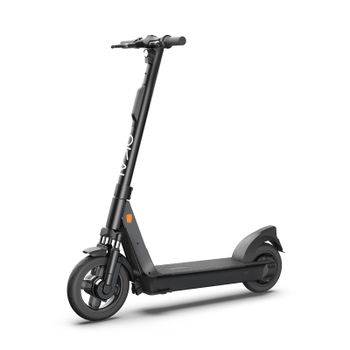
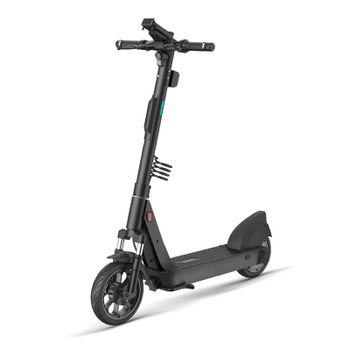
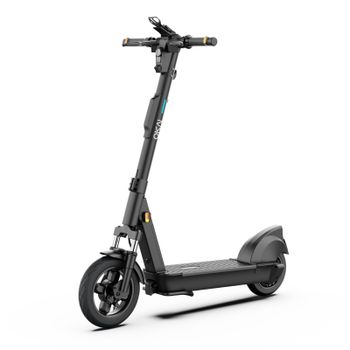
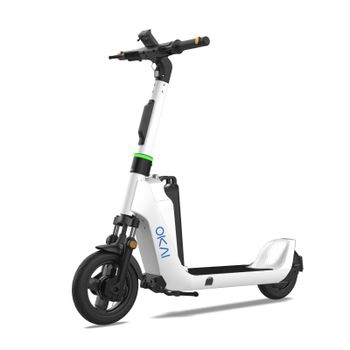
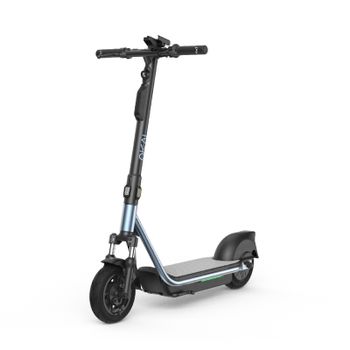
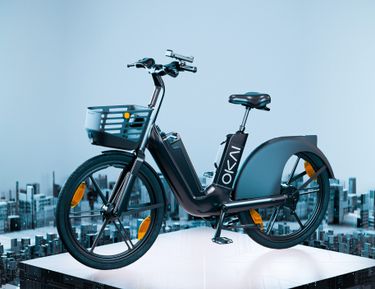
En OKAI, comprendemos la creciente necesidad de servicios confiables, Bicicletas eléctricas de alta calidadQue funcionan a la perfección en entornos urbanos exigentes. Por eso, ofrecemos una gama completa de bicicletas eléctricas diseñadas específicamente para uso comercial y de flotas.
Nuestros productos cuentan con una construcción robusta, tecnología inteligente basada en IoT y diseños modulares que facilitan el mantenimiento y la escalabilidad. Ya sea para servicios de reparto, programas de movilidad compartida o flotas corporativas, nuestras bicicletas eléctricas están diseñadas para ayudar a los operadores a afrontar los retos operativos diarios, a la vez que apoyan las iniciativas gubernamentales de sostenibilidad.
Al asociarse con OKAI, las organizaciones pueden hacer crecer con confianza sus flotas eléctricas, reducir las emisiones de carbono y brindar experiencias de transporte seguras, eficientes y agradables.
Desafíos y oportunidades por delante
A pesar de estas tendencias positivas, aún persisten algunos desafíos:
- Políticas inconsistentes:Las variaciones en los incentivos entre regiones pueden causar confusión y un crecimiento desigual del mercado.
- Normas y reciclaje de baterías:A medida que aumenta su uso, resulta fundamental garantizar la eliminación segura y la estandarización de las baterías.
- Acceso Inclusivo:Se necesita más trabajo para garantizar que las zonas rurales y las personas con discapacidad se beneficien por igual de los programas de movilidad eléctrica.
Aun así, el panorama general es optimista. Con el continuo apoyo del gobierno y la innovación en la industria, bicicletas eléctricas son Destinado a convertirse en una parte integral del transporte cotidiano.
Conclusión: Un beneficio mutuo para las ciudades, las empresas y los pasajeros
Los incentivos gubernamentales están haciendo bicicletas eléctricas Más accesible y atractivo en Europa y Norteamérica. Al combinar el apoyo financiero con mejoras de infraestructura, las políticas públicas están acelerando la transición hacia un transporte urbano más limpio y saludable.
Para empresas y operadores de flotas, asociarse con empresas innovadoras como RAZONES Facilita la satisfacción de esta creciente demanda, contribuyendo al mismo tiempo a los objetivos de sostenibilidad. Juntos, los sectores público y privado pueden aprovechar la ola de la movilidad eléctrica hacia un futuro más limpio y conectado.
Descubrir nuestro innovador productosy cómo podemos apoyar las necesidades de su flota.

Teléfono: 1-800-660-3498
Correo electrónico:
nihao@okai.co
(para negocios)
b2bsupport@okai.co
(para soporte técnico)
Copyright © 2023 OKAI todos los derechos reservados.